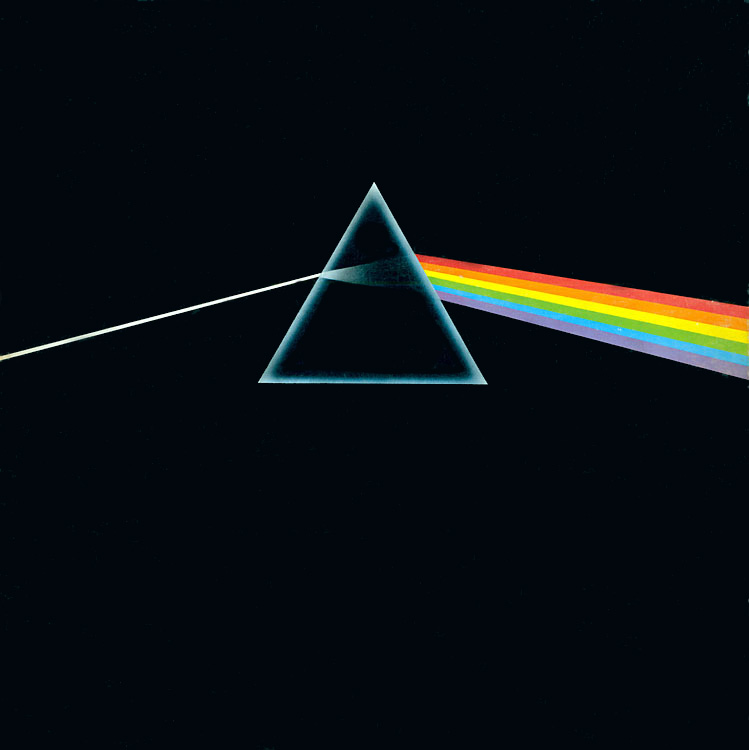
The Dark Side of the Moon has long moved beyond the status of a successful album. It stands as a cultural landmark. Even those who have never listened to it in full recognize the prism on the cover. Yet its reputation is not sustained by imagery or sales figures. It endures because it still works — completely, from beginning to end.
More than fifty years after its release, the album remains remarkably cohesive. Listening to it feels less like selecting tracks and more like entering a continuous space. The opening heartbeat immediately creates immersion, grounding the experience in something physical and human. From that moment on, the record unfolds with steady control and clarity.
There are standout moments, of course, but they never feel isolated from the whole. When “Time” arrives, it carries an emotional weight that lingers long after the song ends. “Money” is instantly recognizable thanks to its groove, yet repeated listens reveal the sharpness beneath its surface. “The Great Gig in the Sky” delivers an emotional intensity that resonates without relying on elaborate lyrics.
Even the more atmospheric passages contribute to the album’s structure rather than interrupting it. Nothing feels misplaced. The transitions are deliberate, the pacing carefully balanced. It reflects a time when albums were conceived as unified statements rather than collections of singles.
The production remains striking. The sound is spacious and detailed, with each instrument occupying its place without overcrowding the mix. David Gilmour’s guitar work is expressive but restrained, entering at precisely the right moments to deepen the atmosphere.
What ultimately defines The Dark Side of the Moon is its stability. There are no weak sections, no filler. The record maintains its identity throughout, which is a rare achievement for any album, let alone one so widely celebrated.
Its longevity does not rely on nostalgia. It continues to resonate because its structure is strong and its themes remain relevant. By the time the closing heartbeat returns, the experience feels complete — not as a sequence of famous songs, but as a carefully constructed whole.
It does not demand reverence.
It earns it.