
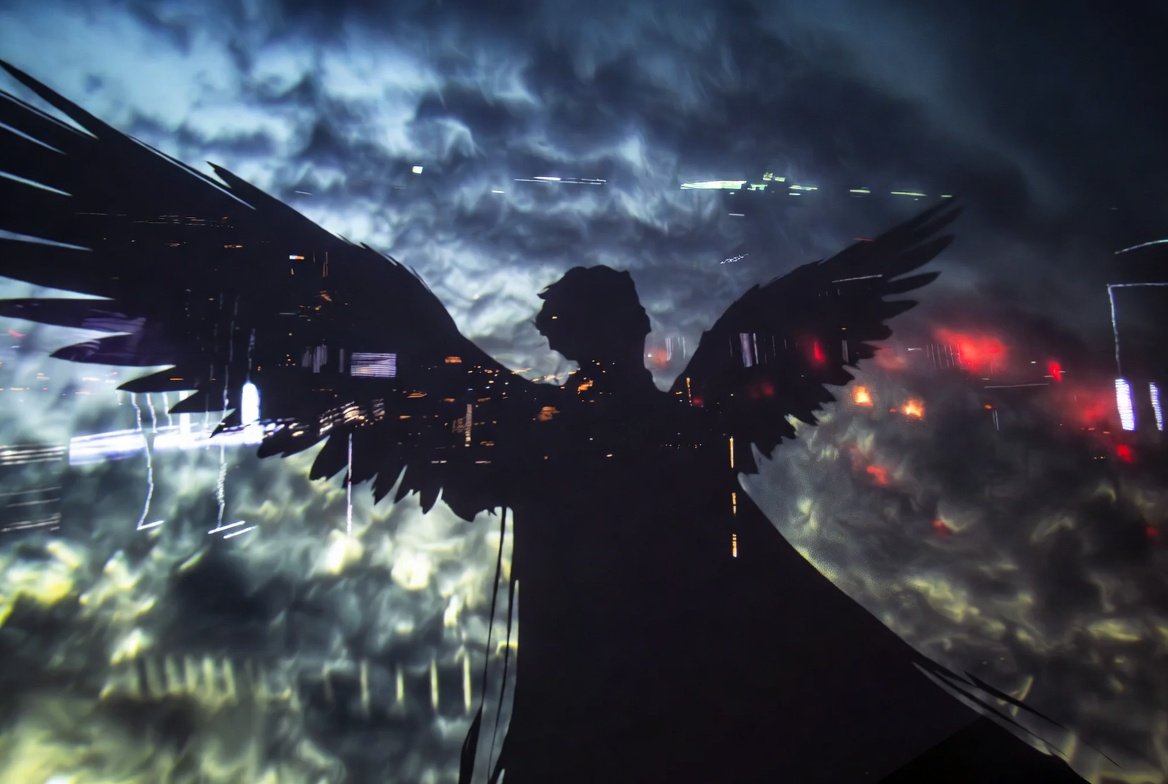
In 1998, the Goo Goo Dolls gave the world a song that began as a simple contribution to a soundtrack and ended up becoming something far greater. Iris arrived at a specific moment in the career of the band from Buffalo, when the group was already moving beyond the punk roots of their early years to explore more melodic and orchestral territory. John Rzeznik, the band’s lead vocalist and guitarist, composed the song after previewing the film City of Angels, starring Nicolas Cage and Meg Ryan, released that same year.

It wasn’t exactly love at first sight with the film itself, which he later described as a polished version of a European classic, yet something about the character of an angel willing to give up immortality to experience human love struck him deeply.
The song was written in a hotel room in Los Angeles during a complicated period for Rzeznik. The year 1997 had been marked by a divorce, a new relationship, and a creative block that left him drifting between hotels and recording studios. With a guitar that had two broken strings, he began experimenting with an unusual tuning, B D D D D, removing the high string and opening unexpected musical possibilities.
The song emerged almost in a single creative flow, something rare for him, as he usually struggled over every note. As he explained in several interviews, that night felt like receiving a gift, a moment when music arrived without the usual weight of doubt and self-criticism. The result first appeared on the City of Angels soundtrack and later on the album Dizzy Up the Girl, eventually launching into a level of success that neither the band nor the industry had anticipated.
The Origins of Iris Between Cinema and Personal Inspiration
The connection with the film is crucial to understanding the meaning of Iris. Rzeznik wrote from the perspective of Seth, the angel who chooses to become mortal simply to feel the touch of the woman he loves. It was not an explicit request from the director or from music supervisor Danny Bramson, but rather a spontaneous creative connection.
The singer explained many times that the idea of giving up eternity forever just to experience a single moment of authentic love struck him as both a heavy and beautiful thought. Within this context, the song becomes a declaration of absolute vulnerability: the angel no longer wishes to return to heaven, because true closeness to heaven now exists within human connection.
This narrative choice allowed Rzeznik to explore the theme without falling into cliché. He wasn’t only speaking about a film character, but about anyone who has ever felt invisible in the eyes of the world and found, in one single person, the only mirror capable of reflecting their true self.
The song was released on April 7, 1998, and quickly climbed American radio charts, remaining for eighteen non-consecutive weeks at number one on the Billboard Radio Songs chart. The single later reached number nine on the Billboard Hot 100 once eligibility rules changed. In the UK, it re-entered the Top 20 after television performances on The X Factor and Britain’s Got Talent in 2011.
The Difficult 1997 of John Rzeznik and the Creative Spark
To better contextualize the analysis of the lyrics of Iris, it helps to return to that turbulent 1997. The band had already tasted major success with Name three years earlier, but Rzeznik felt crushed by personal pressures and by the fear of repeating himself.
He lived practically out of a suitcase, moving between rehearsals and meetings, and the four-string guitar became almost symbolic of that unstable moment. Instead of giving in to writer’s block, that improvised tuning allowed him to play lower, darker notes-perfect for expressing the emotional weight of sacrifice.
The subsequent recording session, enriched with a sixteen-piece orchestra, marked a point of no return for the band. Bassist Robby Takac later recalled that in the studio he and Rzeznik looked at each other and understood they could never go back to the punk sound of their early days. It wasn’t betrayal; it was an honest evolution.
The Origin of the Title and Its Apparently Random Choice
Rzeznik has always admitted that he is terrible at choosing song titles, often leaving them for last. While flipping through a copy of the newspaper LA Weekly looking for inspiration, he noticed the name of country singer-songwriter Iris DeMent listed for a concert in the city.
The name sounded simple, elegant, and soft, and he immediately liked it.
It has nothing to do with the Greek mythological goddess of the rainbow or with the iris of the eye, despite the many theories fans have proposed over the years. It was an instinctive decision, inspired partly by the arty titling style of artists like Billy Corgan of the The Smashing Pumpkins.
Yet in hindsight the title feels perfect for the meaning of Iris, because it suggests the idea of seeing through someone, recognizing a hidden essence without the need for explanation.
Lyrics Analysis: The Opening Line and the Theme of Sacrifice
The song opens with a line that already contains the entire emotional weight of the story:
And I’d give up forever to touch you
‘Cause I know that you feel me somehow
You’re the closest to heaven that I’ll ever be
And I don’t wanna go home right now
Here Rzeznik perfectly embodies the angel’s perspective. Giving up eternity is not an impulsive gesture but a conscious decision: true paradise is no longer celestial, but human contact.
The following line, “And all I could taste is this moment,” emphasizes the intensity of the present, an extreme carpe diem, where every second becomes precious precisely because it will end.
This long, flowing opening prepares the listener for an inner journey that avoids sentimentality and goes straight to the heart of vulnerability.
The Iconic Chorus and the Desire to Be Seen Only by the One You Love
The emotional core of the song arrives with the chorus, repeated so often that it becomes almost a confession:
And I don’t want the world to see me
‘Cause I don’t think that they’d understand
When everything’s made to be broken
I just want you to know who I am
This line captures the central paradox of Iris: the fear of being exposed to collective judgment, and at the same time the desperate need to be understood by at least one person.
The world is described as a place where “everything’s made to be broken,” an image that reflects both human fragility and the awareness that nothing lasts forever.
Yet the final line “I just want you to know who I am” sounds like a sigh of relief. It is total surrender, blind trust in a bond that makes invisibility to everyone else bearable. Millions of listeners have found their own voice in these words, which explains why the chorus is still sung at the top of people’s lungs at concerts more than twenty-five years later.
The Second Verse and the Search for Real Life
After the instrumental bridge, the lyrics become even more intimate:
And you can’t fight the tears that ain’t comin’
Or the moment of truth in your lies
When everything feels like the movies
Yeah, you bleed just to know you’re alive
Here Rzeznik shifts from desire to the acceptance of pain. Tears that never come, lies hiding uncomfortable truths, and the sense that real life surpasses any film script.
The image of bleeding in order to feel alive is raw and powerful. It reflects the need to experience genuine emotions, even painful ones.
This is the price for abandoning the sterile immortality of an angel and embracing a mortal life full of sensations. The passage deepens the meaning of Iris, turning it from a simple love story into a broader reflection on the human condition.
The Musical Innovation and Its Impact on the Band’s Identity
From a musical perspective, Iris represented a turning point. The use of an orchestra, performed by a fifteen-piece ensemble, gave the song a depth the Goo Goo Dolls had never explored before.
The slide guitar solo, played by session musician Tim Pierce after Rzeznik jokingly described his own attempt as sounding like “a bunch of cats fighting,” adds a layer of aching melancholy.
The 3/4 time signature, almost like a slow waltz, creates a suspended atmosphere that perfectly complements the lyrics. This bold choice alienated some early fans but attracted a far broader audience, transforming the band from an alternative punk act into a mainstream phenomenon.
Commercial Success
The numbers speak for themselves. The City of Angels soundtrack reached number one on the American charts, thanks largely to this song. Iris received two nominations at the Grammy Awards in 1999 for Song of the Year and Record of the Year, losing to My Heart Will Go On by Celine Dion.
In 2024 the song was certified Diamond by the Recording Industry Association of America, surpassing ten million units through sales and streams. Today it exceeds five billion global plays and continues to resurface in charts thanks to platforms like TikTok and appearances in series such as The Boys or recent films like Deadpool & Wolverine.
The Cultural Legacy of Iris Today
Twenty-eight years after its release, the song still maintains surprising vitality. Each new generation discovers it and makes it their own. Covers by artists such as Ronan Keating, Phoebe Bridgers, and Maggie Rogers have extended its reach even further.
Even the name Iris experienced a boom in popularity among newborn girls in the United States, rising from 414th place in 2000 to 71st in 2024.
The song has become the soundtrack to weddings, moments of reflection, and even breakups, demonstrating a rare emotional flexibility.
Rzeznik himself has often admitted that Iris remains a kind of “unicorn” in his career, an anomaly that may never happen again, but one that allowed the band to keep touring and, as he once joked, “send our kids to college.”
Ultimately, the lasting appeal of the meaning of Iris lies in its ability to turn a deeply personal moment into something universal. You don’t have to be an angel to recognize the desire to be truly seen, or the willingness to sacrifice something immense for a love that feels worth everything.
And every time that chorus begins, that feeling returns exactly the same.
What do you think? Do you have a story connected to this song? Tell me in the comments! Thanks for reading all the way to the end, and I’ll see you in the next article. 🙂