
Every time that slightly off-kilter minimalist beat kicks in, I catch myself tapping my foot without even realizing it. bad guy by Billie Eilish is not just a song that dominated the charts in 2019, it is a small masterpiece of irony disguised as a danceable hit. From the very first note you can tell it operates on multiple levels, and the best part is that you do not have to overthink it to feel it. Billie and Finneas O’Connell built a track that sounds simple but hides a lot of nuance, like those conversations where you say one thing but mean another.
I see it as an invitation to laugh at the masks we all wear when talking about relationships. There is no epic drama or tearjerking love declaration. Instead, there is a teenager flipping the script and casually suggesting that she might be the villain of the story. She does it with such a nonchalant tone that you are left wondering whether she is joking or completely serious.
The lyrics that stick with you
Take those lines everyone knows by heart. The opening already hits in a sharp but light way:
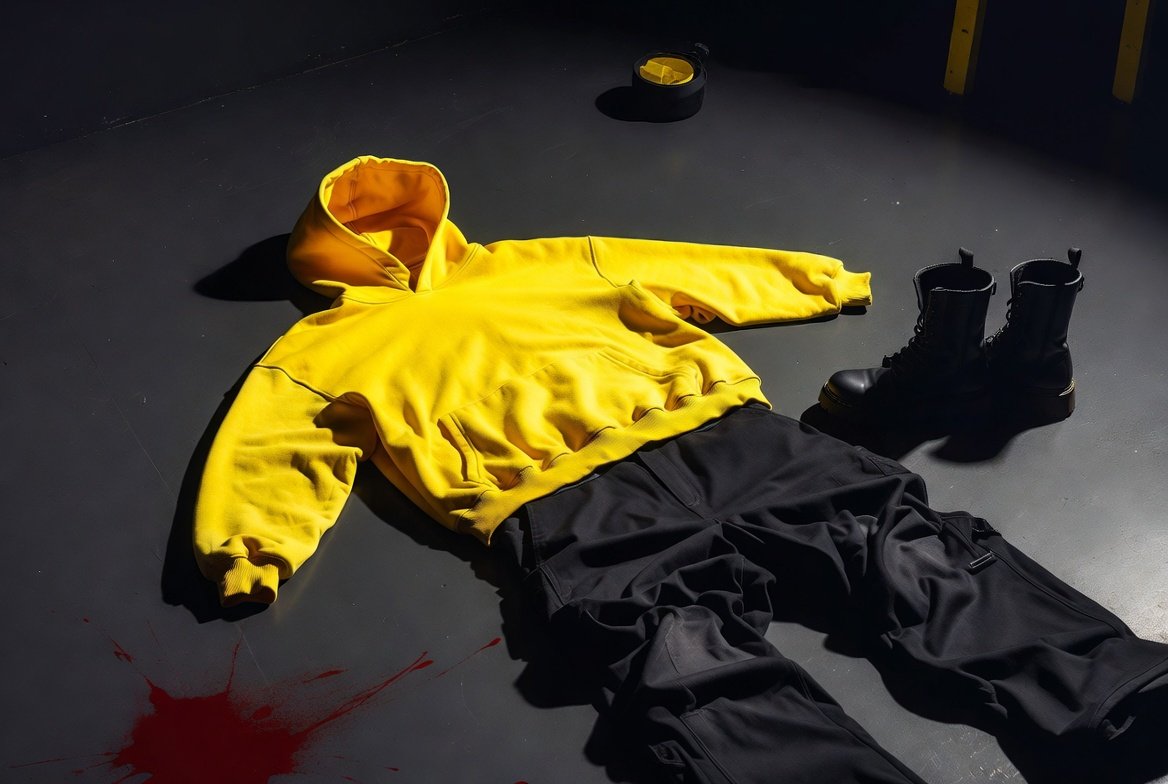
“White shirt now red, my bloody nose.”
It feels like a noir scene, but told with the ease of someone describing an ordinary night.
Then the chorus arrives, that “I’m the bad guy” delivered like a shrug that became iconic for a reason. It feels like a wink. Billie lists everything that makes her the wrong type:
“Make your mama sad type, make your girlfriend mad type, might seduce your dad type.”
It sounds like a chaotic checklist, yet the calm delivery makes it even sharper. And when she says “I like it when you get mad, I like it when you’re quiet,” the power dynamic becomes clear. It is playful, slightly unsettling, and completely self-aware.
The song circles around performance and identity. He thinks he is the tough one, she dismantles that idea effortlessly and takes control of the narrative. You do not need to dissect every line to get it. The mood is carried by the flow and that pulsing bass that feels like a quickened heartbeat.
The idea behind the song
bad guy was created at home, like much of Billie and Finneas’ early work. Together, they turned loose ideas into something fully realized, recording in a familiar and intimate environment. Finneas once mentioned that the chorus required dozens of takes to sound perfectly casual, almost intentionally “dumb” in tone, but never forced. That detail says a lot about the craftsmanship behind something that feels so effortless.
They also used real life sounds. That pedestrian crossing beep recorded during a walk ended up as part of the rhythm, turning something ordinary into a defining element. The core idea was simple: make fun of people who constantly need to declare how “bad” or rebellious they are. Billie herself pointed out that a real bad guy does not need to announce it. They just are.
That is why the track works so well. It pokes fun at exaggerated personas, the kind we all perform, especially online. It fits perfectly within When We All Fall Asleep, Where Do We Go?, an album that plays with darkness and dreamlike states. Here, Billie wakes up and claims the villain role with a smirk.
Irony and power in relationships
What stands out most is how the song explores relationship dynamics without becoming heavy. Billie does not just claim power, she plays with it, exaggerates it, and turns it into something almost absurd. The guy thinks he is dangerous, moving like no one notices him, but she dismantles that illusion immediately.
Instead of the usual pop narrative where girls fall for the bad boy, Billie flips the perspective. She becomes the bad guy, but with irony and distance. It is as if she is saying: you can think you are in control, but I am the one holding the cards.
That playful attitude makes the song relatable. It mirrors those small relationship tensions made of silence, sarcasm, and subtle power plays. It feels like a conversation between friends admitting their flaws without shame.
The video as an extension of the idea
The official video, directed by Dave Meyers, amplifies everything. Bright yellow against dark backgrounds, surreal scenes, exaggerated movements. Billie kicks walls, interacts with strange characters, and fully embraces the absurdity.
Nothing takes itself too seriously. Each visual moment underlines how ridiculous those “tough” personas can be. The final scenes, where she casually dominates the frame, close the loop. The video does not explain, it shows, and it does it with the same playful energy as the song.
Why it still works today
bad guy hit a nerve because it felt different from the polished pop of its time. Even now, in a world full of curated identities and filters, its message about performance and irony feels even more relevant.
Billie and Finneas avoided clichés. They chose unusual sounds, direct lyrics, and an attitude that feels carefree but is actually very precise. That is why the track continues to inspire covers, remixes, and memes. It invites people to play with it.
The fun of being the villain
In the end, bad guy is a small act of freedom. Billie steps into the role of the villain and lets us see it from her perspective. There is no heavy moral judgment, just a shared laugh about dynamics we all recognize.
It is the kind of track that makes you move and think at the same time, without ever becoming preachy. Sometimes, it is refreshing to embrace the “bad” role, even just for a few minutes.
At its core, bad guy is about understanding that power in relationships is often a game, and sometimes the smartest move is the most ironic one. Billie reminds us of that with a crooked smile and a bassline you do not forget.