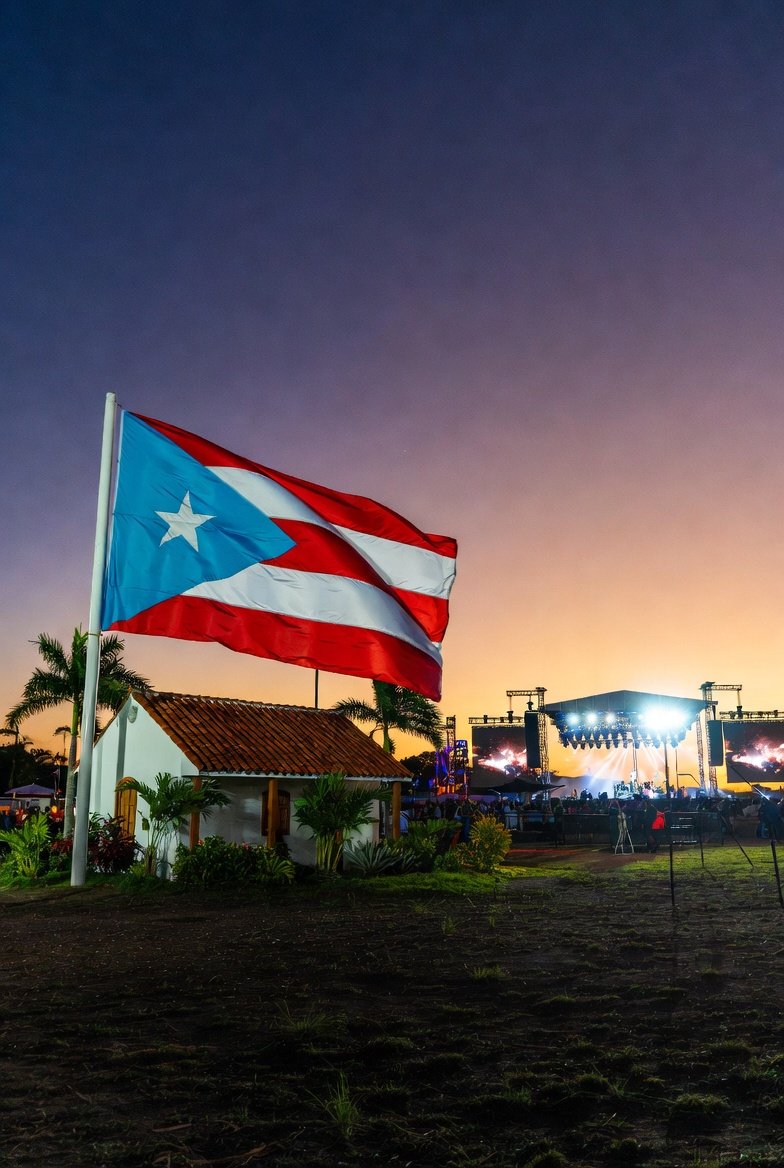
Today we switch to the curiosities with a deep dive into one of the most talked-about events of February 2026: Bad Bunny’s Super Bowl Halftime Show (February 8, Levi’s Stadium, Santa Clara). It wasn’t just a performance — it was history in the making: the first halftime show performed entirely in Spanish, a powerful tribute to Puerto Rico’s culture, resilience, diaspora, and Boricua pride, packed with hidden details, surprise guests, and even political backlash. Did you watch it? Here are 10 curiosities and easter eggs you might have missed, with a light, fun vibe and a couple of jokes — because Bad Bunny always knows how to make even the serious moments entertaining. ¡Vamos!
1. First Ever All-Spanish Halftime Show: Making History (No English Allowed!)
Bad Bunny performed exclusively in Spanish for the full 13 minutes — no compromises, no “English version” moments. This was the first time in Super Bowl history (since 1967) that the halftime show was 100% in Spanish. The result? Over 120 million live viewers, billions of post-show streams, and tracks like “Tití Me Preguntó”, “Yo Perreo Sola”, “Baile Inolvidable”, and “Nuevayol” shooting back up the charts. Fun fact: there were petitions both for and against it beforehand (some wanted “more English”), but Benito just smiled and let the music do the talking with an unspoken “¡Boricua hasta la muerte!” in every lyric.
2. Opening in Sugar Cane Fields: A Tribute to Puerto Rico’s Colonial and Labor History
The show kicked off with Bad Bunny emerging from sugar cane fields — a powerful symbol of Spanish and American colonialism, forced labor, and slavery in Puerto Rico. It then transitioned to “la casita” (traditional Puerto Rican home), a barrio, a beach, and island landscape projections. Meaning? A journey through the Puerto Rican diaspora: from rural poverty to urban life, and finally to resilience and pride. Easter egg: workers wearing pava hats (traditional jíbaro straw hats) — Bad Bunny has worn them before for album promos.
3. Minimalist Cream/White Outfit: Zara Collaboration and Personal Jersey
No over-the-top looks, Bad Bunny went head-to-toe cream/white: collared shirt and tie, custom jersey with the surname “Ocasio” (his mother’s maiden name) and number 64 (family reference, possibly his grandfather’s birth year), chinos, his own Adidas BadBo 1.0 sneakers, and a white blazer for the finale. The Zara collaboration (a Spanish brand) was a deliberate cultural nod. Meaning? Elevated simplicity, focus on family roots and identity — no flashy bling needed.
4. Surprise Guests: Lady Gaga, Ricky Martin, Cardi B, Karol G, and More
It wasn’t just Bad Bunny solo! Lady Gaga joined for a salsa remix of “Die With a Smile” (her duet with Bruno Mars), wearing a Luar sky-blue dress (original Puerto Rican flag color) and a Flor de Maga brooch (Puerto Rico’s national flower). Ricky Martin appeared for an energetic moment. Cardi B, Karol G, and Young Miko danced during “Yo Perreo Sola” inside the casita-party scene. Extra cameos: Pedro Pascal, Jessica Alba, Alix Earle, and others as “veranda guests.” Meaning? A celebration of pan-Latin music and inclusivity across generations and styles.
5. Symbols of Resilience: “El Apagón” and Electric Poles
During “El Apagón”, dancers climbed electric poles — a direct reference to Puerto Rico’s frequent power outages after hurricanes and outdated infrastructure. Meaning? Subtle but strong critique of the island’s energy issues, turned into high-energy choreography. Fun detail: the show also featured a real wedding on stage — pure joy and inclusivity despite the hardships.
6. Puerto Rican Flags Everywhere + Inclusivity: Same-Sex Couples and Body Positivity
Puerto Rican flags were all over: on stage, costumes, projections. There were moments with same-sex couples dancing, performers of all ages, ethnicities, and body types (including grandparents and people with prosthetics). Meaning? Queer pride, body positivity, and multigenerational community — Puerto Rico as a living, inclusive culture.
7. The Football Spike Finale: Symbolic Victory
Bad Bunny ended by spiking the football like a touchdown. Meaning? “I just scored on the biggest stage in the world, against all odds.” Viral memes exploded: “Bad Bunny just scored on America!”
8. Political Backlash: Trump and Conservatives vs. the “Non-American” Show
Trump tweeted criticism (“Speak English!”), calling it “propaganda.” Other conservatives complained about the Spanish language and cultural messages. Result? Even more views, massive support from Latinx/Gen Z fans, and pro-Bad Bunny trends. Curiosities: Bad Bunny never responded verbally — he let the performance speak for itself.
9. Post-Show Streaming & Chart Records
His albums saw +500% streaming spikes after the show. “DTMF” returned to #1 globally. One of the most socially engaged halftime shows of 2026 so far.
10. Why It Was Revolutionary for Latin Music
Bad Bunny brought reggaeton, plena, salsa, and Boricua pride to mainstream America — opening doors for Latin artists everywhere. Not just entertainment: a cultural statement about identity, resistance, and joy. Final joke: If the Super Bowl was football, Bad Bunny turned it into a Boricua fiesta — and he won everyone over!
Conclusion
Bad Bunny’s 2026 Super Bowl halftime show was more than a concert: it was a powerful tribute to Puerto Rico, a blend of joy and resilience, and a historic moment for Latin music. Curiosities like these make music feel alive and meaningful! What did you think of the show? Which detail hit you the hardest? Drop your thoughts in the comments, share the article, and stay tuned for the next single-curiosity piece. ¡Boricua y orgulloso!
Watch the show on Youtube, Link: https://www.youtube.com/watch?v=G6FuWd4wNd8