
The 1960s. A guitar slung over the shoulder, the wind running through your hair. A simple melody, almost whispered, asking questions that are impossible to ignore. That’s exactly how “Blowin’ in the Wind” by Bob Dylan conquered the world: with a gentle breath that turned into a cultural storm.
Released in 1963, this song is more than just a folk track. It’s an open window into the soul of an era boiling with hope and frustration. And decades later, it still challenges us with the same force. Ready to explore its deeper meaning — through history, lyrics, and that wind that never stops blowing?
The Roots of a Young Troubadour
Bob Dylan, born Robert Zimmerman in 1941 in a small Minnesota town, arrived in New York in 1961 determined to change the world through music. Influenced by Woody Guthrie, the great voice of the Dust Bowl, the shy young man with glasses immersed himself in the Greenwich Village folk scene. Among smoke-filled cafés and acoustic guitars, he shaped his intense, nasal, unmistakable voice.
In 1962, Dylan was just twenty-one, yet he already felt the weight of his time. America was restless: the Civil Rights Movement was gaining momentum, racial tensions were palpable, and the shadow of the Vietnam War loomed on the horizon. In this atmosphere, Dylan wrote “Blowin’ in the Wind” in just a few minutes, almost casually. At concerts, he would introduce it with irony: “This here ain’t a protest song, because I don’t write protest songs.” And yet those words, written in a flash, became the anthem of a generation.
The melody itself wasn’t entirely original. Dylan drew inspiration from the old African American spiritual “No More Auction Block,” sung by formerly enslaved people who had fled to Canada. That simple, almost liturgical structure gives the song an ancient, universal quality — as if the questions it asks are not new, but eternal.
The Historical Context Behind the Song
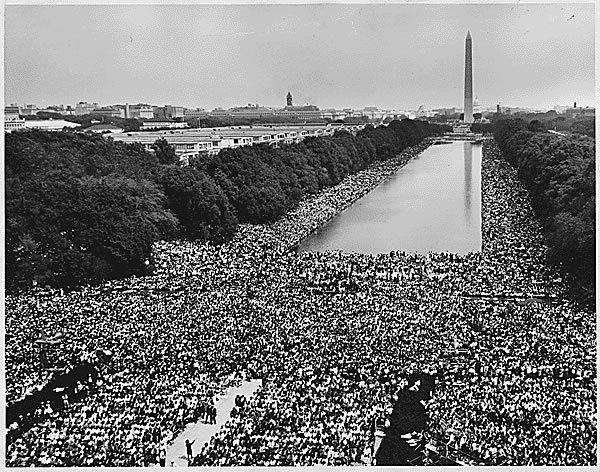
To truly understand “Blowin’ in the Wind,” you have to step into the 1960s. In 1963, Martin Luther King Jr. delivered his iconic “I Have a Dream” speech during the March on Washington. Dylan performed at that very event just minutes before King spoke. The song quickly became a symbol of resistance against racial oppression.
But it wasn’t only about civil rights. The questions about war and peace reflected the nuclear anxiety of the Cold War and the early signs of the Vietnam conflict. American society was wrestling with freedom, equality, and indifference. With nothing but a guitar, Dylan gave voice to this collective unease without ever sounding preachy.
The song appeared on The Freewheelin’ Bob Dylan, the album that propelled him to international fame. Peter, Paul and Mary’s version reached number two on the charts and sold millions of copies. From that moment on, “Blowin’ in the Wind” no longer belonged solely to Dylan — it belonged to everyone.
Lyrics Analysis: Verses That Question Humanity
The structure is built on a series of rhetorical questions followed by the famous refrain. Dylan offers no direct answers — he lets them drift in the wind.
Take the opening line:
“How many roads must a man walk down / Before you call him a man?”
This isn’t merely about personal maturity. It evokes the long struggle of African Americans seeking recognition of their fundamental rights. How many humiliations, marches, and battles must one endure before being acknowledged as fully human? Dylan expands the question beyond race: it becomes about dignity itself. Even today, how many “roads” do people still have to walk before being accepted?
Then comes the image of the white dove:
“How many seas must a white dove sail / Before she sleeps in the sand?”
The white dove, a biblical symbol of peace, represents hope wandering endlessly in search of rest. How many wars must pass before peace can finally settle? Dylan hints at eternity: the dove has flown for centuries, yet the earth continues to burn.
And then the stark image of war:
“How many times must the cannonballs fly / Before they’re forever banned?”
War is no abstraction here — it’s destruction, death, wasted lives. Dylan imagines a world where weapons become relics of the past. It sounds utopian, but that’s precisely the point: the question remains open, challenging the listener.
The refrain follows like a breath:
“The answer, my friend, is blowin’ in the wind / The answer is blowin’ in the wind.”
It’s brilliant in its ambiguity. The wind might symbolize something obvious — a truth everyone senses but few grasp. Or it might represent unstoppable change, sweeping away injustice like dry leaves. Or perhaps it suggests elusiveness: the answers exist, but they are difficult to capture. Dylan leaves interpretation open, making the song timeless.
The second verse introduces time and freedom:
“How many years can a mountain exist / Before it’s washed to the sea?”
The mountain stands for rigid traditions and long-standing injustices. The sea is progress — inevitable and transformative. Change will come.
“How many years can some people exist / Before they’re allowed to be free?”
The reference to civil rights is unmistakable, yet it applies to every marginalized group, every silenced voice.
“How many times can a man turn his head / Pretending he just doesn’t see?”
This line hits hard. How often do we look away from injustice? Dylan doesn’t accuse — he invites introspection.
The third verse turns toward empathy:
“How many times must a man look up / Before he can see the sky?”
Sometimes we live with our heads down, weighed by routine or fear. Only by looking up can we see possibility.
“How many ears must one man have / Before he can hear people cry?”
Empathy isn’t automatic — it must be cultivated.
And finally:
“How many deaths will it take till he knows / That too many people have died?”
The tragedy of war is measured in numbers, yet no number is ever acceptable.
Why Leave the Answers Unspoken?
Many ask: what is the answer, really?
That’s the power of the song. Dylan isn’t a preacher — he’s an observer exposing human absurdity. The wind represents both simplicity (the answer is everywhere) and elusiveness (try catching it). This duality keeps the song alive. In 1963 it spoke about segregation; today it speaks about modern conflicts, migration, inequality.
Dylan always allowed listeners to decide for themselves. And that’s what makes the song grow with each new generation.
Cultural Impact: A Song That Changed Music
After its release, “Blowin’ in the Wind” became the soundtrack of marches, sit-ins, and peace rallies. It has been covered over three hundred times — by artists ranging from Sam Cooke to Stevie Wonder and beyond.
Inducted into the Grammy Hall of Fame in 1994, it remains a staple of Dylan’s never-ending tours. It influenced generations of songwriters, from Joan Baez to Bruce Springsteen, even inspiring the Beatles.
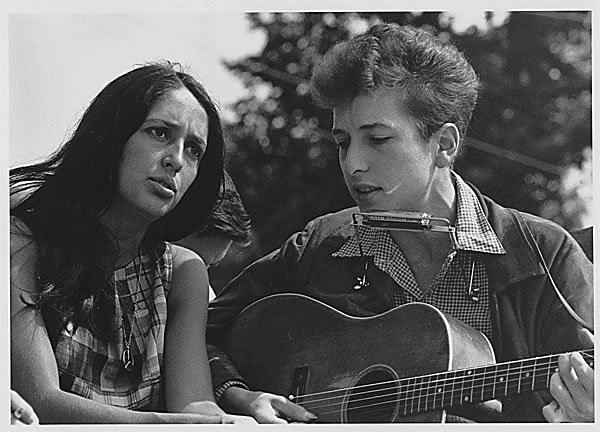
More than anything, it proved that a simple folk song could shake consciences more effectively than a political speech.
Why It Still Matters in 2026
Look around. Wars persist. Rights are still challenged. Indifference thrives online. Dylan’s questions remain painfully relevant.
Listening to “Blowin’ in the Wind” today is an exercise in awareness. Maybe you hear it through headphones while walking down the street. That refrain lingers — and you realize the answers might be lighter than air, drifting around you.
As the wind continues to move leaves — and ideas — the song remains, reminding us that great questions don’t require definitive answers. They require the courage to keep asking.
The next time you hear it, whether on the radio or spinning on an old vinyl record, let it carry you for a moment. You might discover that the answer, my friend, is indeed blowing all around you.
And if you enjoyed this piece, feel free to leave a comment and share it with your friends. It helps this small, passion-driven project grow.
Thanks for reading.