Have you ever walked through a crowded square, surrounded by hundreds of people chatting, and still felt completely alone? As if words were floating in the air without ever truly reaching anyone? That’s the feeling that wraps around you from the very first notes of The Sound of Silence, the immortal folk-rock masterpiece by Simon & Garfunkel released in 1964. It’s not just a song: it’s a mirror reflecting our society, yesterday as much as today. And yes, get ready—because in this article we’re going to dig into the lyrics, the historical context, and why this melody still gives us chills sixty years later.
The Birth of a Classic: From a Dark Bathroom to Unexpected Success
Paul Simon was only 21 years old when he wrote these words in February 1964. Picture the scene: the young New York musician would lock himself in his parents’ bathroom, turn off the lights, and turn on the faucet. The running water created a natural echo against the tiles, a sound that helped him concentrate. From there came one of the most famous opening lines in music history: “Hello darkness, my old friend.” It wasn’t the gesture of a tortured artist, but a practical trick to find inspiration. Art Garfunkel, his inseparable harmony partner, has often explained that the song speaks about people’s inability to communicate—not so much internationally, but emotionally: what you see around you are people unable to love one another.
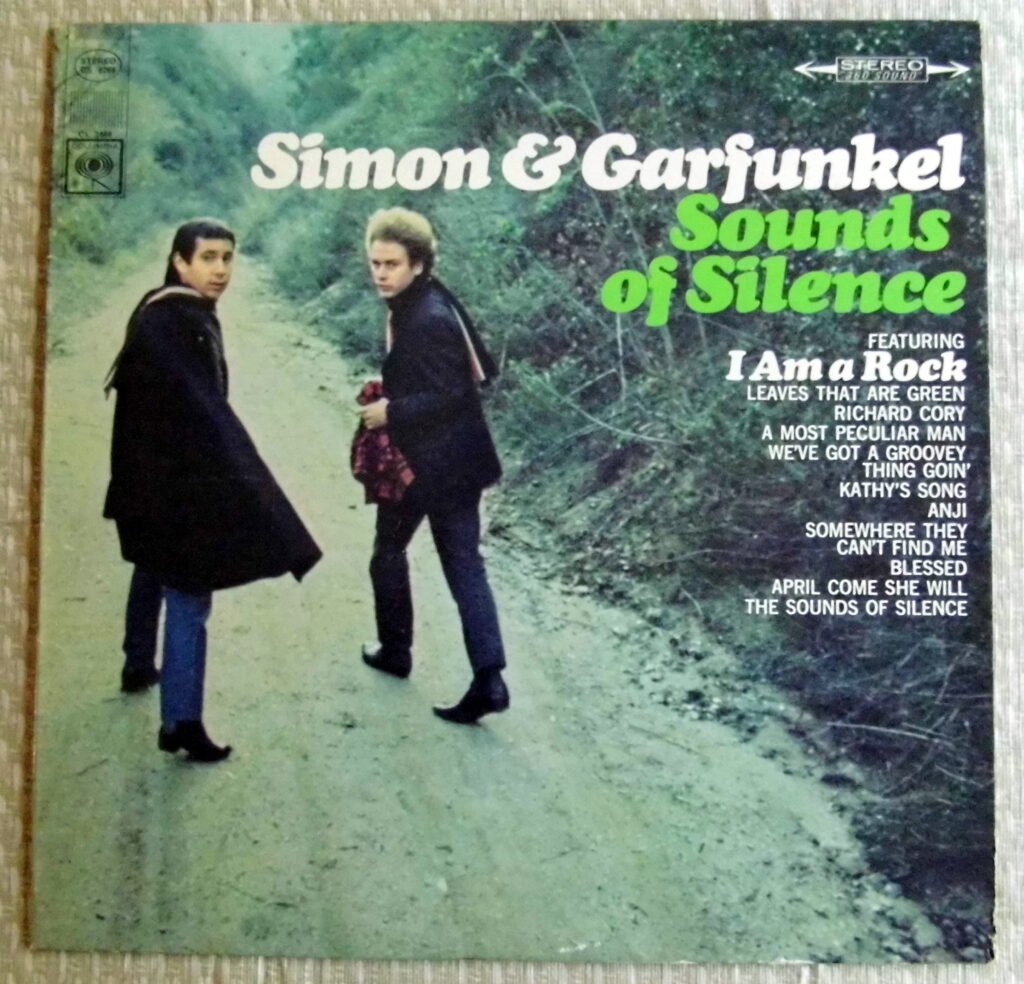
The original acoustic version appeared on their debut album Wednesday Morning, 3 A.M. and was a spectacular flop, selling only three thousand copies. Then came the stroke of genius—or luck—by producer Tom Wilson, who, without telling the duo, added drums, electric bass, and guitar. Boom. In 1966 the song shot to number one on the American charts. Simon and Garfunkel, who had meanwhile split up, had to reunite quickly. That electric remix transformed an intimate folk piece into a generational anthem. It was as if silence had decided to shout.
Lyrics Analysis
The song opens with an almost affectionate greeting to darkness:
“Hello darkness, my old friend / I’ve come to talk with you again.”
The narrator treats the dark as a trusted confidant, a refuge where reflection can happen without judgment. Soon after comes the “vision softly creeping” while he slept, planting seeds in his mind. That vision remains “within the sound of silence.” The paradox is clear: silence is not emptiness—it has its own sound, made of unspoken thoughts and repressed emotions.
In the second verse, we enter the dream itself:
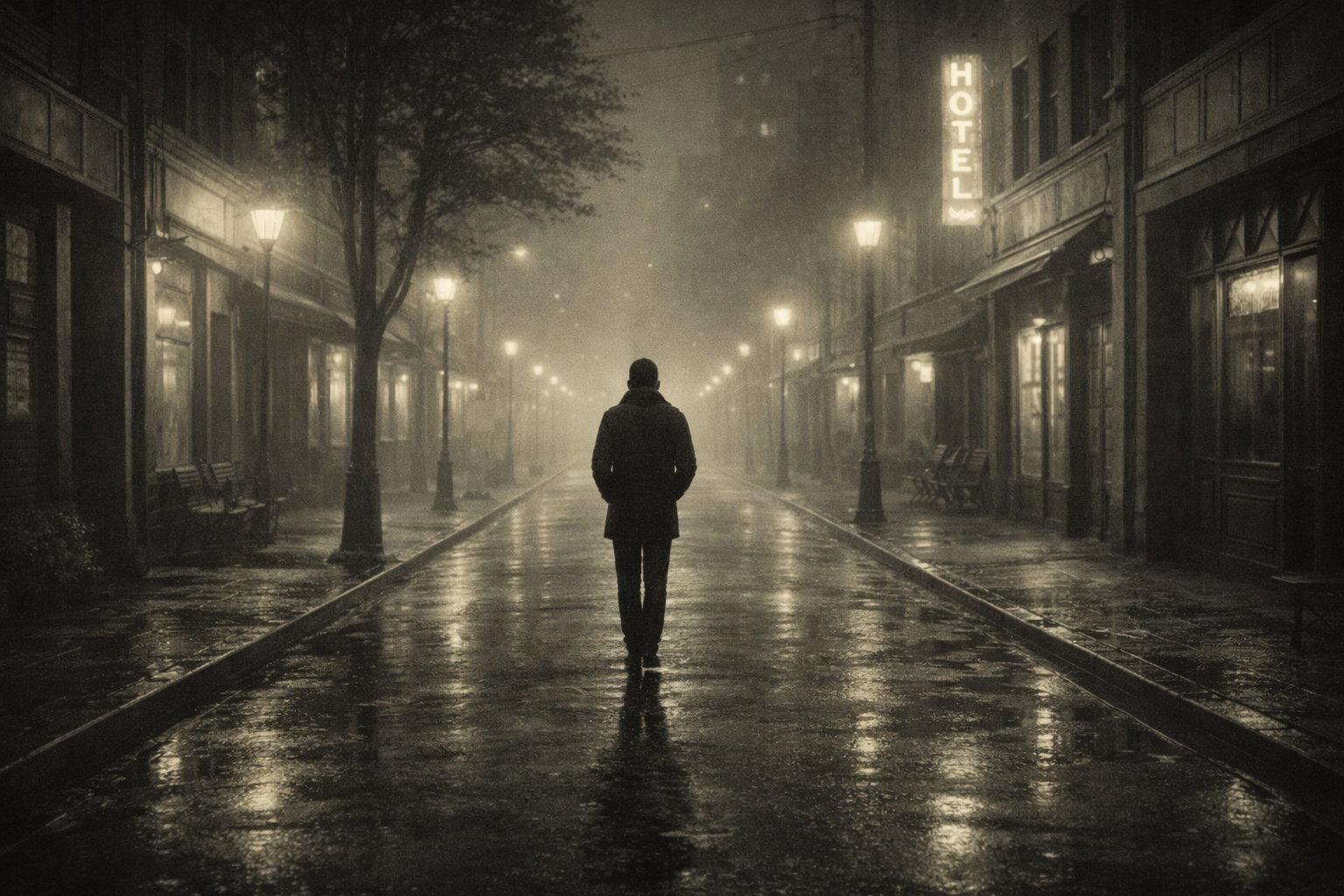
“In restless dreams I walked alone / Narrow streets of cobblestone.”
The protagonist wanders through an old, cold, damp city, collar turned up against the chill. Suddenly, “my eyes were stabbed by the flash of a neon light / That split the night / And touched the sound of silence.” Neon—symbol of artificial modernity—bursts in like lightning, breaking the balance without illuminating anything truly deep. Urban loneliness becomes visible.
The third verse may be the most powerful:
“And in the naked light I saw / Ten thousand people, maybe more.”
A massive crowd, yet each person isolated:
“People talking without speaking / People hearing without listening.”
They write songs that no one truly shares. No one dares disturb the silence. Simon captures the incomprehension of modern society with surgical precision: we are together, yet distant—connected by wires and screens, yet incapable of genuine connection.
In the fourth verse, the narrator tries to rebel:
“Fools,” said I, “You do not know / Silence like a cancer grows.”
He offers words to teach, arms to reach out. But everything falls “like silent raindrops” and echoes only in wells of silence. It’s the height of frustration: the cry of someone trying to awaken others, left unheard.
The final verse closes the circle with an almost prophetic image. People bow and pray “to the neon god they made.” A sign flashes its warning:
“The words of the prophets / Are written on the subway walls / And tenement halls / And whispered in the sound of silence.”
True wisdom is hidden on subway walls and in apartment hallways, whispered within the very silence everyone ignores. It feels like a warning.
The Symbols That Make the Song Timeless
The “sound of silence” is not the absence of noise, but the absence of authentic connection. The “neon god” represents consumerism, television, city lights that dazzle without warming. The cancer of silence is apathy spreading if left unchecked. Even the vision that “left its seeds” while sleeping suggests how ideas for change are often born in quiet moments—only to be drowned out by the background noise of everyday life.
The 1960s Context: More Than JFK
Many believe the song was written in response to the assassination of John F. Kennedy in November 1963. It was indeed composed just months later, in a shaken America. Yet Simon always downplayed that interpretation: for him, it was more about post-adolescent angst, about feeling unheard by peers. Still, the climate of the era—Vietnam War, civil rights struggles, counterculture—amplified its message. People were searching for answers and found in these notes a way to express their unease.
Why It Still Resonates in 2026
Today, with smartphones in our hands twenty-five hours a day, the paradox feels even stronger. How often do we scroll endlessly, “talking” through likes and emojis, yet failing to truly communicate? The silence of the song has become the white noise of social media: everyone speaks, no one listens. It’s a timely warning against digital isolation, loneliness among likes. That’s why every new generation rediscovers it.
The Musical Arrangement and Unforgettable Covers
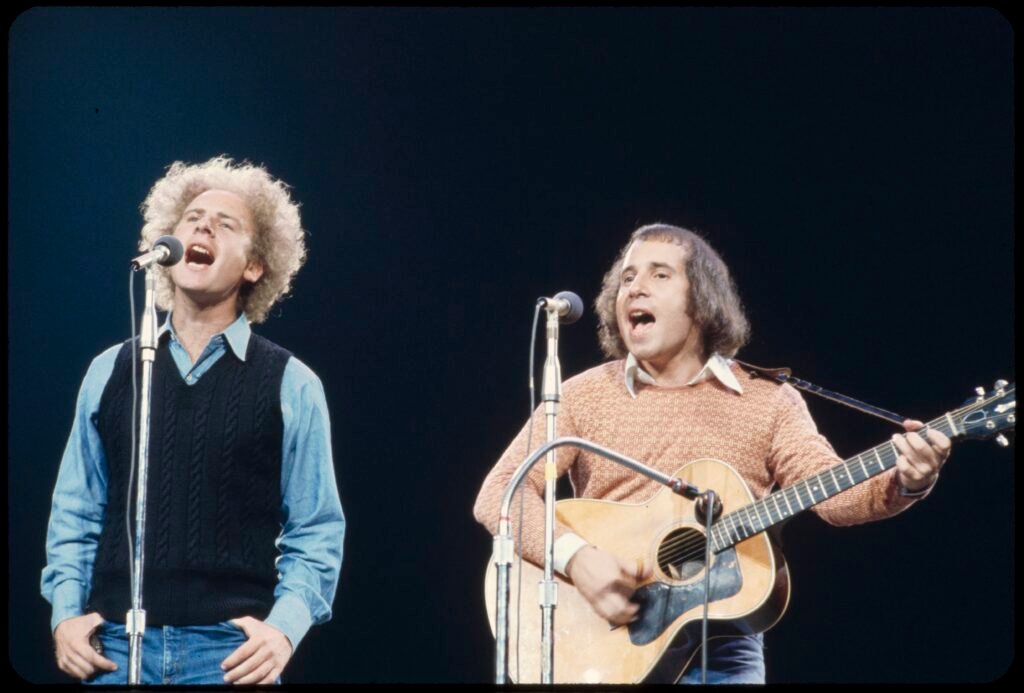
The simple, almost hypnotic melody, with its two-part harmonies, perfectly conveys introspection. The 1965 electric version added urgency, turning it into a folk-rock anthem. And the covers? The 2015 version by Disturbed surpassed one billion views on YouTube, introducing the song to a metal audience with a vocal intensity that raises goosebumps. Paul Simon himself praised David Draiman—a tribute bridging generations. Then there’s its iconic use in the 1967 film The Graduate, accompanying Dustin Hoffman on a search for meaning that feels tailor-made for the song.
Trivia You Might Not Know
Did you know Art Garfunkel nicknamed a blind college friend “Darkness”? The greeting to darkness was also a gesture of deep friendship. Or that the song was nearly forgotten before the electric remix? Small stories that make Simon & Garfunkel even more human. And no, it’s not an anti-technology song—it’s an invitation to use technology to connect better, not to hide behind it.
At the end of this journey through notes and words, one feeling remains: The Sound of Silence is not just a relic of the 1960s. It’s a reminder for each of us, today and tomorrow. The next time you feel alone in a crowd, remember these verses. And maybe, instead of scrolling, try breaking the silence with a real conversation. It might just be the beginning of a vision that changes everything.
If you enjoyed the article, share it on social media! Help me grow this small blog, run with passion and love for music by just one person. Let me know what you think in the comments!