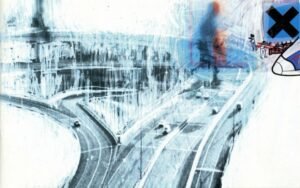

In 1995, Radiohead found themselves in an uncomfortable position. After the unexpected success of Creep from their debut album, the band from Oxford had to prove they weren’t a one hit wonder. The Bends Radiohead arrived at exactly that moment, turning frustration into sonic fuel. Thom Yorke and his bandmates took the external pressure and poured it into twelve tracks that still make the weight of every note felt today.
The record captures the precise moment when success begins to tighten around your throat. The sessions were fragmented between exhausting tours and London studios, with producer John Leckie pushing the band toward guitar experimentation. The result is a compact album, dense with layers, where every element allows the listener to breathe for a moment only to take that breath away again.
The troubled genesis behind The Bends Radiohead
The recording of The Bends Radiohead began in February 1994 at RAK Studios and continued intermittently between Abbey Road Studios and other locations. The group often arrived from live shows with sore fingers and heads full of doubts. Yorke used the microphone to release accumulated anxiety, while Jonny Greenwood experimented with pedals and feedback to create sounds that no longer resembled traditional guitars.
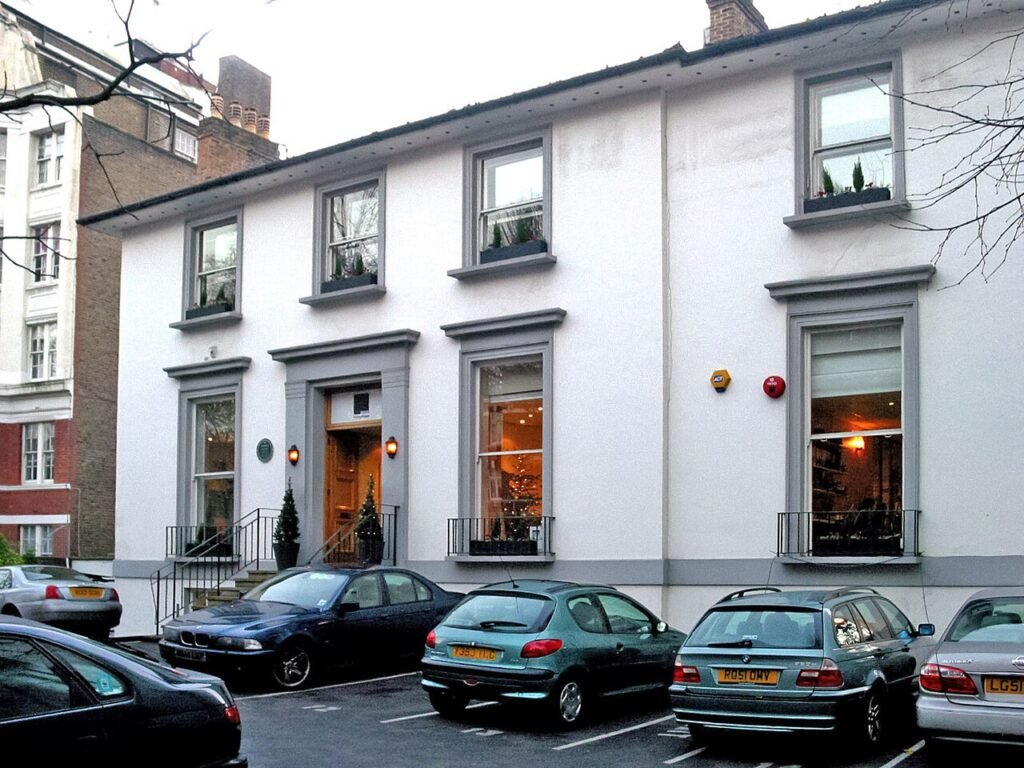
Phil Selway kept time with almost obsessive precision, while Colin Greenwood anchored everything with bass lines that appear simple but support the entire sonic structure. Ed O’Brien added atmospheric layers that make the mix feel three dimensional. Leckie allowed the quintet to record live takes in the studio, capturing the raw energy that the previous album had only hinted at. Even the title, inspired by the condition suffered by divers, becomes a bitter metaphor. Rising too quickly hurts, but staying underwater hurts even more.
The pioneering sound of The Bends Radiohead
The Bends Radiohead marks the band’s first real stylistic leap. Guitars are no longer just rock instruments. They become machines for generating tension. Jonny layers take upon take, building sonic walls that open and close like automatic doors. The rhythm section gains depth without ever becoming heavy, while Yorke’s voice shifts from a nearly spoken register to restrained screams in a matter of seconds.
This approach can be heard from the beginning and continues throughout the entire record. The direct grunge of Pablo Honey is gone. Here every track has its own clear identity yet still connects perfectly with the next. The album runs for forty eight minutes but feels longer because it is packed with details that only reveal themselves after the third or fourth listen.
The electric opening that offers no relief
The Bends Radiohead opens with Planet Telex, a track that begins like a train already in motion. The main riff sounds so distorted that it almost resembles a sick synthesizer, while Selway’s drumming pushes forward without pause. Yorke sings about a world spinning too fast, and the band makes you feel it physically. Colin’s bass pulses underneath like a racing heartbeat.
Immediately after comes The Bends, the title track that gives the project its name. Here the guitars swell into a central section that seems close to collapsing. The bridge slows down just enough to let the listener breathe before launching forward again with greater force. It is the moment when the album clearly states its central theme. The physical sensation of being crushed by your own success.
The acoustic pauses that cut deeper
After the opening explosion the album shifts gear with High and Dry. Acoustic guitars create a clean and almost fragile foundation, while Yorke uses his voice to tell the story of someone left behind watching others run ahead. The production lets every chord breathe, with subtle touches of harmonica adding a veil of tangible melancholy.
Then comes Fake Plastic Trees. The track grows slowly, with Greenwood introducing delicate touches of piano and synthetic strings. The tension rises gradually until a final section where everything feels ready to break. Here the band shows how carefully they control dynamics. Every increase in intensity is calculated to hit exactly where it should.
The anger simmering beneath the surface
The middle section accelerates with Bones, a short but extremely dense track. The guitar riff is dry and almost obsessive, while Selway’s snare hits land like slaps. Yorke delivers a performance that radiates physical irritation, as if the body itself can no longer stay inside the skin.
(Nice Dream) instead introduces a more suspended atmosphere. The opening melody seems sweet at first, but underneath it subtle feedback and sudden dynamic changes begin to move. The central section turns into a crescendo that feels like a dream slowly becoming a nightmare, with Greenwood using phaser effects to create a constant sense of instability.
With Just the anger erupts again. The repetitive riff becomes hypnotic while the band moves from restrained verses to a finale that feels like a controlled collapse. Yorke shouts without losing vocal control, and Colin’s bass holds everything steady like an anchor in the middle of a storm.
The metaphor that becomes pure sound
My Iron Lung had already been released as a single and remains the beating heart of The Bends Radiohead. The title evokes a machine that breathes in your place, and the music makes that idea tangible. Distorted guitars interact with a pulsing bass line, a bridge slows everything down and then restarts like an engine coming back to life. Selway’s drumming here is surgical. Every hit pushes the song forward with absolute precision.
Bullet Proof... I Wish I Was shifts the focus toward an almost physical vulnerability. Guitar arpeggios float above soft keyboards, while Greenwood adds subtle background noises that resemble interference. The track lasts just over three minutes but leaves the feeling of a thought that keeps circling in the mind even after the silence.
The ending that dissolves every certainty
Black Star introduces a hypnotic and almost folk like guitar progression, but with a modern bitterness. The rhythm section stays minimal, leaving space for Yorke’s voice to fill the gaps between chords. The song speaks about distances that cannot be bridged, and the band makes that feeling tangible through carefully placed silences.
Sulk suddenly accelerates with nervous drumming and guitars racing forward. Yorke releases the last of his energy here while the production keeps every instrument precisely in place. It is the fastest moment of the record before the final slowdown.
The album closes with Street Spirit (Fade Out). The opening arpeggio descends relentlessly while the band adds progressive layers until a finale that, exactly as the title suggests, slowly dissolves. Greenwood uses fade techniques to make it feel as if the music continues even after the record stops, leaving the listener with the precise sensation of falling through empty space.
Why The Bends Radiohead redefined alternative rock
The Bends Radiohead is not simply a transitional album. It is the moment when the band understood how to transform their insecurities into sonic weapons. The creative use of effects, the ability to move from a whisper to a wall of sound within seconds, and the thematic cohesion between tracks opened the path for everything that would follow.
Today, thirty years later, every listen still reveals new details. A hidden feedback in the background, a nearly invisible shift in dynamics, a vocal harmony that previously went unnoticed. The record still sounds urgent because it speaks about tangible things. A body that cannot keep up, artificial relationships, fame that steals your breath.
At the end of these forty eight minutes one thing becomes clear. The Bends Radiohead makes you feel pressure directly on your skin and then leaves you with the realization that sometimes that very pressure is exactly what is needed to create something truly powerful. And the most remarkable thing is that it works every single time you press play.