Few singles have managed to capture the ambivalence of a bond that both wounds and attracts at the same time like Heart-Shaped Box. Released in the summer of 1993 as the lead single from In Utero, the track marked the return of Nirvana after the global success of Nevermind, but with a rawer and more personal sound. The meaning of Heart-Shaped Box lies precisely in this contrast. The lyrics feel torn from a private diary, and the cutting riff lingers in your head for days.
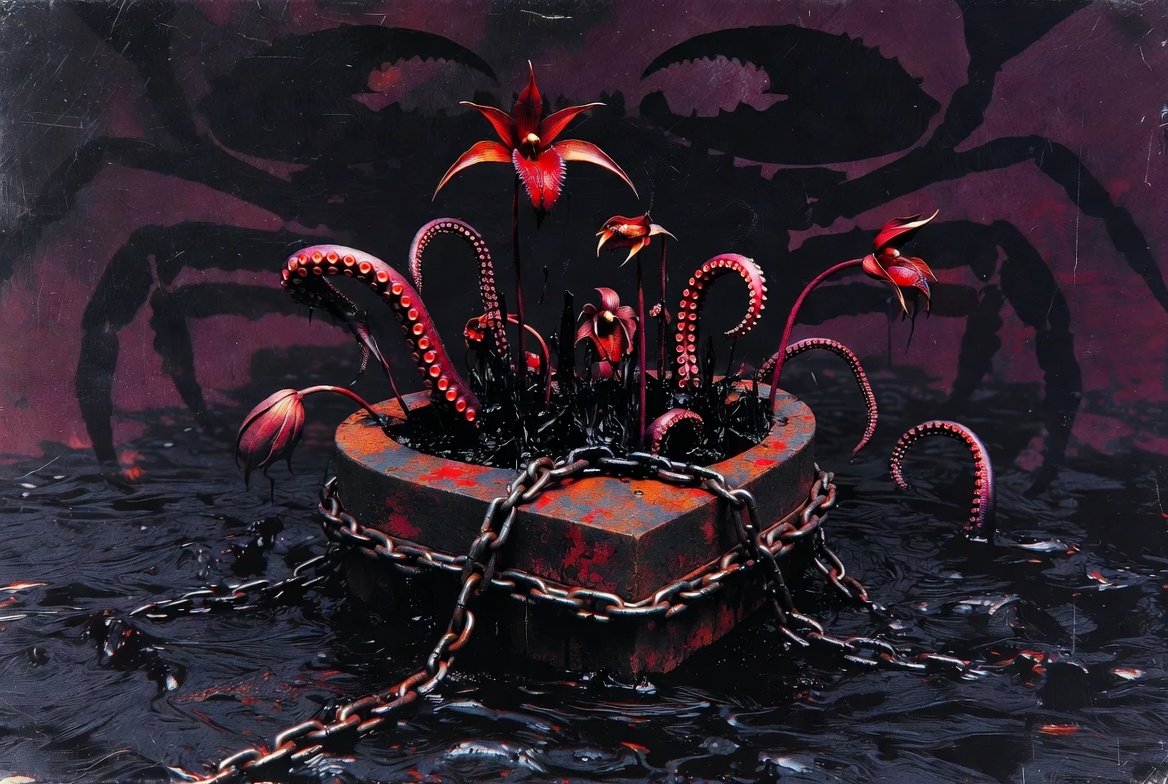
Kurt Cobain wrote the song in early 1992, shortly after marrying Courtney Love. At the time they were living in an apartment in Los Angeles, and their relationship was already a whirlwind of intense emotions. The title came from a literal gift Courtney had sent him at the beginning of their relationship, a heart-shaped box filled with small objects, including a doll’s head detached from its body. Kurt had initially called it Heart-Shaped Coffin, but it was Courtney who suggested changing it to Box, making the concept less funereal and more intimate.
The Context of Heart-Shaped Box in the Grunge Landscape
In Utero was a clear reaction against the polished sound of Nevermind. Initially produced by Steve Albini to preserve a dirty and direct sound, the album explores themes of the body, birth, and death with a bluntness the mainstream struggled to digest. Heart-Shaped Box was one of the two tracks later remixed by Scott Litt at the label’s request, although its core remained intact.
Kurt had told Michael Azerrad that the lyrics were inspired by documentaries about terminally ill children with cancer. He said that nothing saddened him more. Over time another layer became evident, his relationship with Courtney, full of passion, dependency, and conflict.
Years later Courtney addressed the matter directly on Twitter, saying the song is also about her vagina. It was not a provocation for its own sake, but a way of emphasizing how deeply the lyrics are rooted in the body and in female sexuality. The zodiac references complete the picture. Kurt was a Pisces, a sign associated with sensitivity and emotional fragility, while Courtney is a Cancer, linked to nurturing but also to fierce protectiveness.
The True Meaning of Heart-Shaped Box, Vulnerability and Trap
She eyes me like a Pisces when I am weak
I have been locked inside your heart-shaped box for weeks
These two lines open a window onto the power dynamics within a relationship. Pisces, a symbol of fluidity and a tendency to dissolve into the other, becomes a metaphor for a male vulnerability that 1990s rock rarely displayed with such honesty. Kurt is not playing the tough guy. He admits he feels watched precisely when his defenses fall.
The heart-shaped box is not a romantic gift but a soft prison, almost uterine, where the sense of time dissolves. Psychologically it evokes anxious attachment, the mechanism by which one remains trapped because the other becomes the sole point of reference.
Socially, 1990s grunge was dismantling the invincible male archetype of the 1980s. Here Kurt gives voice to a generation that had witnessed parental divorces and sought authenticity even in its most destructive relationships. The image of the box also recalls the womb, a central theme throughout In Utero. It is not just love, it is regression, a return to a prenatal state where no decisions are required but where one risks suffocation.
Culturally, in an era when AIDS and cancer were still taboo topics, such imagery made emotional pain tangible. This is not a serenade. It is an uncomfortable confession many listeners recognized in their own complicated relationships.
Dark Symbolism and Zodiac References
I wish I could eat your cancer when you turn black
This line may be one of the most twisted declarations of love ever written. Kurt takes cancer, a disease he had seen in documentaries about sick children, and transforms it into an act of extreme sacrifice. He does not simply say I love you. He wants to absorb the other person’s illness until it disappears.
The blackness that follows is both literal, referring to necrosis, and metaphorical, referring to depression, heroin, and consuming anger. Linked to Courtney’s Cancer zodiac sign, it becomes a private astrological game. The fragile Pisces offers himself to the Cancer who both protects and wounds.
The psychological implications are profound. It speaks of pathological codependency, where love is measured by one’s capacity to suffer for the other. In a society that medicalizes emotional pain, Kurt uses cancer to give form to something many people feel but cannot name, the desire to save the one you love even at the cost of self destruction. It is not sanitized romanticism. It is empathetic masochism pushed to the extreme. There is also dark irony here. Many of us, in moments of anger or tenderness, have wished we could take someone else’s pain away with our own hands.
Meat eating orchids forgive no one just yet
Cut myself on angel hair and baby’s breath
The carnivorous orchids, with their shape reminiscent of sexual organs, represent the dangerous beauty of desire. They are flowers that consume flesh, much like a relationship that seduces and then bites. Angel hair and baby’s breath evoke purity and innocence, yet they become sharp weapons. The irony is brutal. What should be delicate ends up causing harm.
Here the theme of regression to the womb reappears, with the umbilical noose that appears shortly after in the song. One longs to go back, but the return becomes a tightening loop.
Socially these images criticize the media’s idealized vision of love. In the 1990s grunge was exposing the hypocrisy behind the American Dream. Behind the perfect family there were often addictions and silences. Psychologically cutting oneself on something fragile speaks of emotional self harm, the tendency to seek pain in order to feel alive. Culturally it also recalls the obsession with youth and purity that hides violence. Kurt does not describe a healthy love. He describes a cycle in which one remains because the pain has become familiar.
The Chorus and the Complaints, Kurt and Media Perception
Hey! Wait! I have got a new complaint
Forever in debt to your priceless advice
The chorus explodes with accumulated frustration. It is not a generic cry. It is the account of someone who feels trapped by the other person’s words, by priceless advice that in reality controls. Emotional debt becomes a metaphor for an imbalanced relationship, where one gives everything and the other sets the rules.
In the context of sudden fame these complaints take on a double meaning. Kurt also felt indebted to fans, press, and an industry that had turned him into an icon.
Heart-Shaped Box and the Bodily Themes of In Utero
The entire album revolves around the female body, birth, and mortality. The umbilical noose, the womb, the cancer, everything points back to the idea that life already contains death. Kurt was about to become a father, and that both frightened and fascinated him. The song becomes a portrait of how romantic love intertwines with the fear of parenthood and the loss of control.
Listening to Heart-Shaped Box today means confronting the same ambivalence Kurt committed to tape. It is not a comforting song but an unsettling mirror that many of us recognize in our own complicated bonds. Perhaps it is precisely this brutal honesty that still makes it powerful, capable of making us feel less alone inside our emotional boxes.
Listen to Heart-Shaped Box by Nirvana: