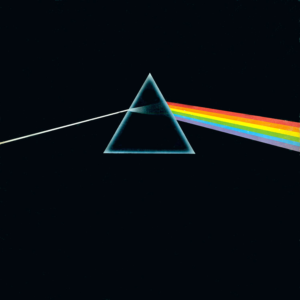
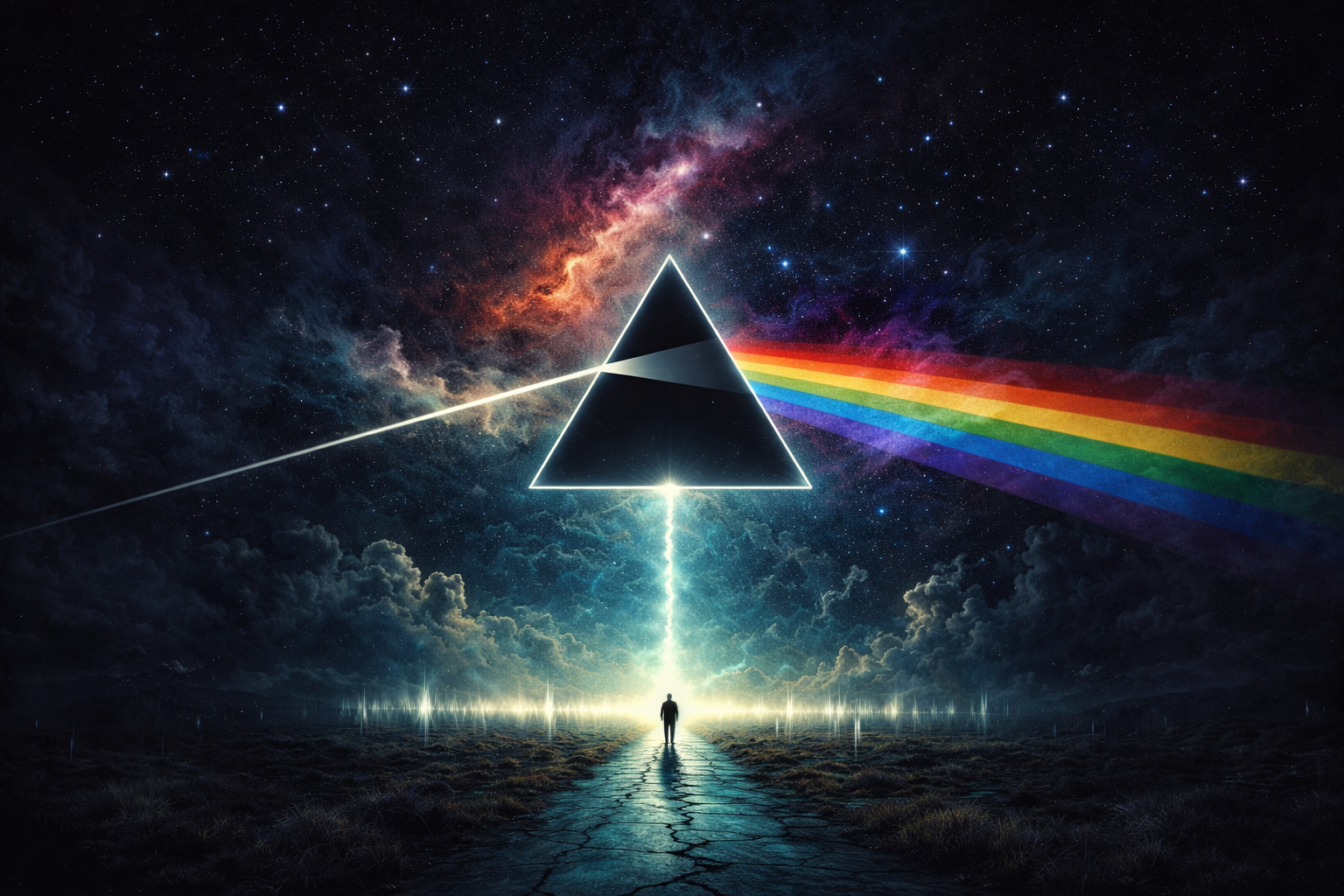
“Us and Them” is one of the most contemplative and emotionally restrained tracks on The Dark Side of the Moon. After the sharper edge of “Money,” this song slows everything down. The atmosphere becomes spacious, almost fragile, as if the band is asking the listener to pause and think.
The title is deceptively simple: “Us and Them.” Two words that define one of the oldest human tendencies — division.
The mechanism of separation
The song opens with a line that feels almost like a statement of fact:
“Us and them”
There is no explanation. Just separation. The lyrics then shift toward imagery associated with war:
“Forward he cried from the rear”
It is a subtle but powerful image. Those who give orders are not always the ones who face the consequences. Authority and sacrifice do not always occupy the same space.
The song does not shout its criticism. It does not need to. Its strength lies in understatement.
Conflict beyond the battlefield
When Waters sings:
“Haven’t you heard it’s a battle of words?”
the meaning expands beyond physical warfare. This is not just about soldiers and front lines. It is about ideology, politics, language. Words shape narratives, and narratives justify divisions.
The idea of “us” and “them” is often constructed. It simplifies complex realities into opposing sides. That simplification can create identity, but it can also create hostility.
Later, the line:
“With, without / And who’ll deny it’s what the fighting’s all about?”
suggests that the cycle of division is almost routine. The reasons may change, but the structure remains the same.
Division in everyday life
What makes the song more profound is that it does not limit itself to war. The sense of separation applies to social class, privilege, belonging. The distinction between “inside” and “outside” reflects how societies categorize people.
The calm tone of the song makes the message even stronger. There is no dramatic outrage. Instead, there is quiet observation. And sometimes quiet observation is more unsettling than anger.
A reflection rather than a solution
Musically, “Us and Them” moves between gentle passages and more intense sections. This dynamic contrast mirrors the emotional tension within the theme itself — moments of peace interrupted by conflict.
The song does not offer a solution. It does not present a manifesto. It simply exposes a pattern in human behavior.
“Us and Them” is not only about war.
It is about the instinct to divide — and the fragile line that separates one side from the other.